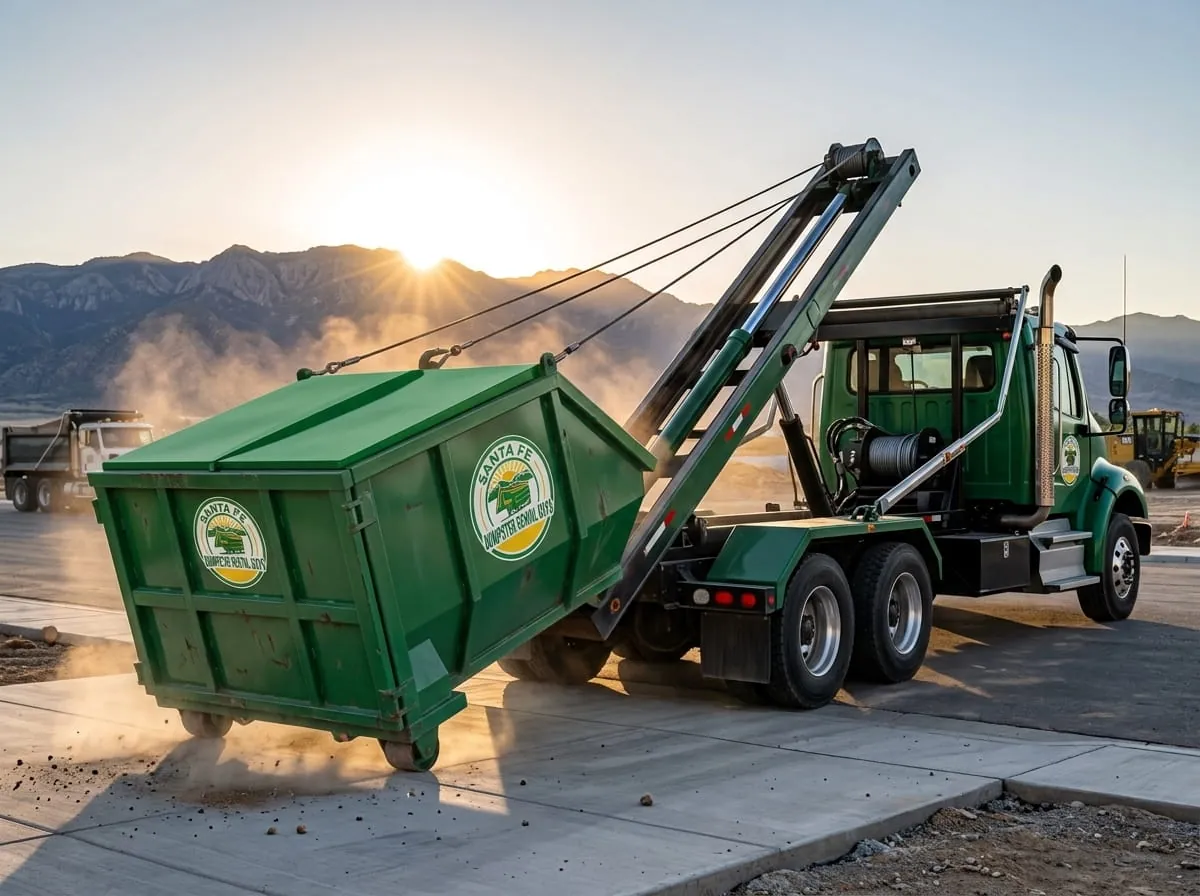
Construction and demolition work in Santa Fe produces some of the heaviest, most awkward debris a jobsite can generate. Between adobe walls, thick stucco, old viga beams, tile floors, and layers of built-up roofing, a single remodel can fill several dumpsters with material that ranges from lightweight framing scrap to dense, back-breaking masonry. Disposing of it the right way is not just about hauling it off. It is about sorting smart, controlling weight, staying safe, and keeping your project on schedule. This guide walks contractors and DIY remodelers through the practical realities of handling construction and demolition (C&D) debris in the high desert.
Know Your C&D Debris Before You Toss It
Not all construction debris behaves the same way in a dumpster, and knowing what you are dealing with is the first step to disposing of it correctly. On a typical Santa Fe remodel or new build, you will encounter a wide mix of materials, each with its own weight and recycling profile.
- Wood and framing: Dimensional lumber, plywood, OSB, trim, and old viga or latilla beams. Lightweight and often recyclable if clean.
- Drywall: Gypsum board scrap from demolition and new hangs. Bulky but relatively light.
- Stucco and adobe: Extremely common here and extremely heavy. Cracked stucco tear-off and crumbled adobe are dense, inert material.
- Concrete and masonry: Slab, footings, block, brick, and mortar. Among the heaviest debris you can load.
- Tile: Saltillo, ceramic, and stone flooring, plus thinset and backer board.
- Roofing: Foam, built-up (tar and gravel), asphalt shingles, and old decking from flat-roof tear-offs.
Understanding this mix up front helps you choose the right container and avoid the two most common mistakes: overloading a big bin with heavy inert material, or paying to haul recyclables that could have been diverted. For a full breakdown of container options for these materials, see our construction dumpster rental service.
Why Weight Matters More Than Volume
New remodelers almost always think about debris in terms of how much space it takes up. Experienced contractors think about weight. A roll-off dumpster has both a volume capacity and a weight limit, and with dense Santa Fe debris you will hit the weight ceiling long before the bin looks full.
Heavy inert debris such as concrete, stucco, adobe, dirt, rock, and tile is deceptively dense. A 30-yard dumpster loaded halfway with concrete can exceed what a hauling truck can legally and safely carry. Overloaded bins cannot be picked up, can damage driveways, and create real transport hazards on the road. That is why the smart move is to put heavy inert material in smaller, dedicated bins sized specifically for weight rather than volume.
A 10-yard or 15-yard bin filled with masonry is far easier to haul than a 30-yard bin that never should have been loaded that heavy. Separating your heavy debris also usually costs less overall, because clean inert loads can be processed and recycled at lower rates than mixed trash. If your project is generating slab, footings, or stucco tear-off, our concrete and heavy debris containers are built for exactly that job.
The Santa Fe Weight Reality
Adobe and stucco construction make our region unusually weight-heavy compared to a typical wood-frame market. A historic home remodel downtown might produce very little lumber but enormous quantities of masonry, plaster, and tile. Plan your container mix with that in mind from day one.
Sort and Recycle Instead of Landfilling Everything
Disposing of debris the right way means diverting what you can from the landfill. A large share of C&D material is recyclable, and sorting on-site is far easier than trying to separate a jumbled load later.
- Clean wood can often be recycled or repurposed rather than trashed.
- Concrete, brick, and masonry can be crushed and reused as fill or road base.
- Metal from framing, ductwork, and fixtures has scrap value and should always be pulled out.
- Cardboard from packaging piles up fast and recycles easily.
- Clean drywall can sometimes be recycled depending on the facility.
The simplest system is to keep separate piles or separate bins from the start: one for heavy inert material, one for clean wood and metal, and one for general mixed trash. It takes a little discipline, but it lowers disposal costs, keeps the site cleaner, and is genuinely better for the high-desert environment we all work in.
Keep a Clean, Safe Jobsite
Debris management is safety management. A jobsite littered with framing offcuts, drywall scrap, protruding nails, and loose tile is an injury waiting to happen, and in Santa Fe the weather adds its own complications.
During monsoon season, exposed debris piles turn into a muddy mess, and dirt and rock that soaks up rainwater becomes dramatically heavier overnight. A pile of dry adobe rubble that was manageable on Monday can be a saturated, unmovable mass after a Thursday storm. Keeping debris in a covered or promptly hauled bin prevents water weight from wrecking your disposal budget.
- Load debris into the bin daily instead of letting piles accumulate.
- Keep walkways and work zones clear of nails, offcuts, and tripping hazards.
- Position the dumpster where trucks can reach it but it does not block work flow.
- Cover heavy inert bins before monsoon storms to avoid water-weight surprises.
- Never overfill past the top rail. Level, safe loads only.
High-desert dust, wind, and sun all push you toward the same habit: deal with debris continuously rather than letting it build into a hazard.
Schedule Hauls on Bigger Projects
On a small bathroom remodel, one bin for the whole job is usually fine. On a larger renovation, a whole-home historic restoration, or new construction, you need to think about the flow of debris across the entire timeline. Different phases produce different material, and trying to hold it all in a single container is a recipe for overflow and downtime.
A better approach is to schedule hauls that match your project phases. Demolition generates a flood of mixed debris early. Framing produces wood scrap. Roofing tear-off, especially foam or built-up systems, comes in concentrated bursts. Finish work adds tile, packaging, and trim. Swapping or emptying bins at the right moments keeps the site clear and the crew moving.
For large jobs, a 30-yard dumpster handles the bulky, lighter phases like framing and general demo, while a smaller dedicated bin handles the heavy masonry. A quick call lets us map out a haul schedule so you are never waiting on an empty container or paying for one sitting full.
Santa Fe Disposal and Recycling Options
Knowing where material goes matters. In Santa Fe, the primary destination for construction and demolition debris is the Buckman Road Recycling and Transfer Station (BuRRT), operated by the Santa Fe Solid Waste Management Agency. BuRRT accepts a wide range of C&D material and offers recycling and diversion options, including processing for certain inert and recyclable debris streams.
Hauling debris yourself means multiple trips, fees at the scale, truck wear, and time you could spend building. Renting a roll-off bin folds transport and disposal into one flat rate, and a licensed local hauler already knows the facility rules, weight limits, and what can and cannot go in a mixed load. That local knowledge is especially valuable with specialty debris like foam roofing tear-off or lead-era materials from older homes, where handling requirements can be stricter.
Whether you are stripping a flat roof, gutting an adobe remodel, or pouring new footings, matching the right bin to the right debris is the whole game. We handle the weight math, the scheduling, and the trip to BuRRT so you can focus on the work.
Ready to keep your jobsite clean and your disposal simple? Santa Fe Dumpster Rental Guys offers flat-rate, same-day roll-off bins sized right for heavy Santa Fe debris. Call us at (505) 557-2849 or reach out through our contact page to book your dumpster today.

Founder, Santa Fe Dumpster Rental Guys — sharing straight advice from more than 15 years of local hauling experience.